
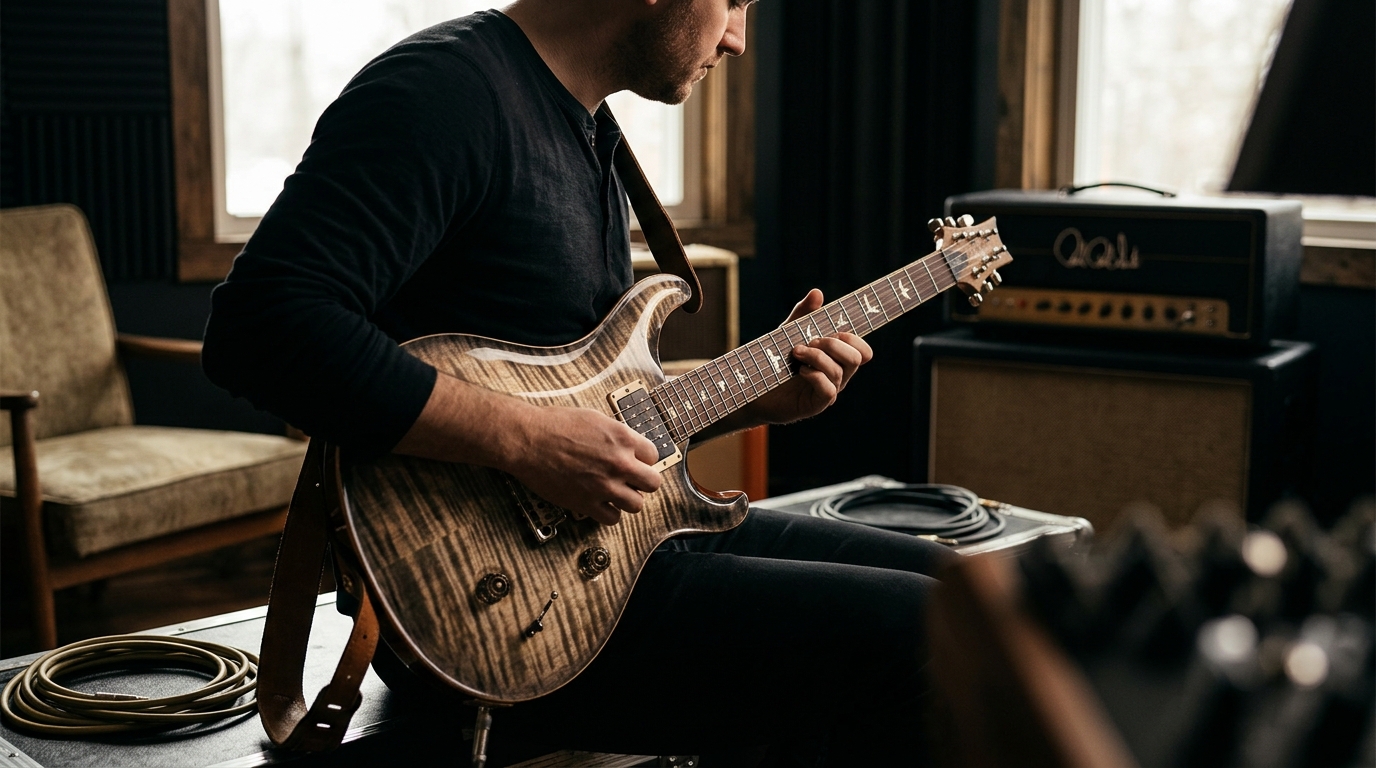
How a Custom PRS Build Through a Boutique Dealer Transformed One Guitarist's Sound
The global market for custom-built electric guitars has expanded significantly, with industry reports indicating that the premium instrument segment grew by over 12% in the last fiscal year. This surge reflects a broader shift among professional musicians who prioritize tonal precision and ergonomic customization over mass-produced standard models. For many players, the journey to finding their perfect instrument involves navigating the complex landscape of boutique dealers and factory-direct options. This article explores how working with a specialized retailer can bridge the gap between a standard Paul Reed Smith model and a truly personalized tool for musical expression. (The Guitar Sanctuary Boutique)
Understanding the PRS Custom Shop Ecosystem
Paul Reed Smith (PRS) guitars are renowned for their consistency and playability. However, the PRS Custom Shop represents the pinnacle of their manufacturing capabilities. Unlike the standard production lines, the Custom Shop involves master luthiers who hand-select every piece of tonewood and hand-wind every pickup. This level of scrutiny ensures that each instrument meets a higher standard of acoustic resonance and electrical output.
PRS is defined as a high-end electric guitar manufacturer known for its precise craftsmanship and versatile tonal palette. The brand has maintained a reputation for quality since its inception, but the Custom Shop operates as a distinct entity within the brand's history. It is not merely a logo change; it is a fundamental shift in the construction philosophy. The instruments produced here often feature exotic woods, intricate inlays, and custom electronics that are not available in the core or wood library series.
For the discerning guitarist, understanding the difference between a standard PRS and a Custom Shop model is crucial. The standard models offer incredible value and consistency, but they are built to a specification. The Custom Shop models are built to a player's specification. This distinction is where the transformation begins.
The Boutique Dealer Advantage
One of the most significant hurdles in acquiring a custom PRS is the communication gap between the player and the luthiers. This is where a specialized boutique dealer becomes invaluable. A reputable dealer acts as a translator, converting your musical needs into technical specifications that the factory can execute.
At The Guitar Sanctuary, we specialize in connecting players with high-end gear that matches their specific tonal requirements. Our role is not just to sell a guitar but to ensure that the final instrument serves your musical identity. We analyze your current setup, your playing style, and your tonal goals to recommend the right path.
Consider the complexity of ordering a custom instrument. You must decide on body wood, neck profile, pickup configuration, and finish. Without expert guidance, it is easy to make choices that look good on paper but fail to deliver the desired sound. A boutique dealer provides the context needed to make these decisions with confidence. We have handled hundreds of custom orders, and we know which combinations yield the best results for different genres.
Furthermore, boutique dealers often have access to pre-owned or vintage PRS instruments that can serve as benchmarks. If you are unsure about a specific neck profile, we can help you compare it against proven standards. This hands-on expertise is something that a direct online order cannot replicate. It transforms the buying process from a transaction into a consultation.
Crafting the Specs: Wood, Pickups, and Electronics
The foundation of any custom PRS build lies in the materials. The choice of tonewood affects the sustain, attack, and overall frequency response of the instrument. For example, a mahogany body with a maple top is a classic combination that offers warmth with clarity. However, a swamp ash body might provide more brightness and resonance, which is ideal for players who need their guitar to cut through a dense mix.
Pickup selection is equally critical. PRS offers a wide range of pickup styles, from the vintage-voiced 58/15 to the high-output 57/08. Each pickup has a specific magnetic structure and wire gauge that influences the output and tone. When working with a boutique dealer, you can discuss your preferences in detail. Do you need more midrange for blues? Do you require tighter lows for metal? These nuances matter.
Electronics are often overlooked but play a vital role in the overall sound. The type of potentiometers, capacitors, and switching hardware can subtly alter the tone. Some players prefer the smooth feel of CTS pots, while others might opt for vintage-style components for a more organic response. A boutique dealer can guide you through these options, ensuring that every component works in harmony.
The Build Process: From Sketch to Reality
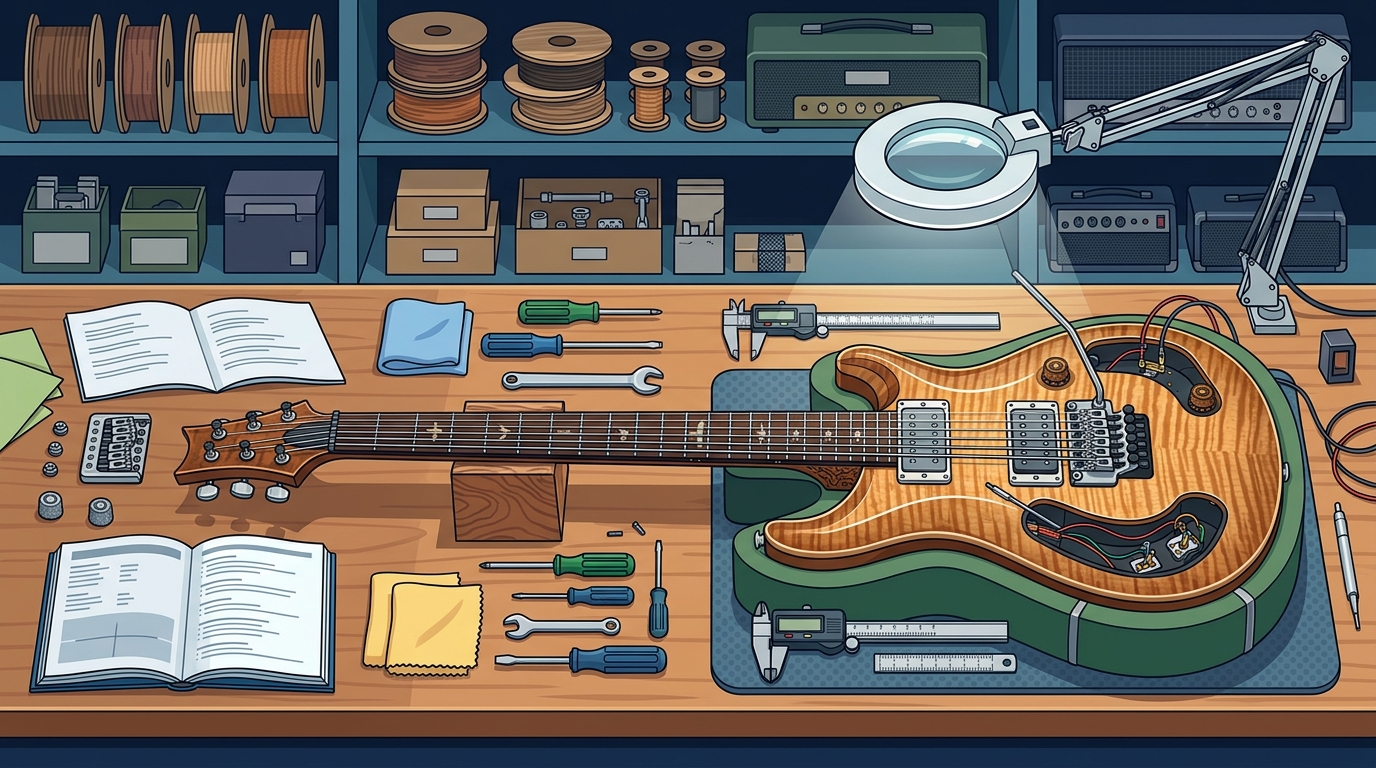
Once the specifications are finalized, the build process begins. This is a meticulous journey that can take several months. The luthiers start by selecting the wood blanks, often hand-tapping them to check for resonance and density. This step ensures that the wood is not just visually appealing but acoustically superior.
The carving of the body and neck follows, with constant attention to the player's ergonomic preferences. The neck profile, for instance, can be adjusted to be thinner or thicker depending on your hand size and playing style. The fretwork is done by hand, ensuring that each fret is perfectly level and polished for smooth playability.
As the build progresses, the dealer often provides updates. This transparency is crucial for custom orders. You might receive photos of the wood selection, the neck carving, and the final finish. This involvement allows you to make minor adjustments if necessary, ensuring that the final product aligns with your vision.
The finishing process is another area where custom builds shine. You can choose from a variety of finishes, including nitrocellulose lacquer, which is known for its thinness and ability to allow the wood to vibrate freely. The color and aging process can also be customized, giving you a guitar that looks as unique as it sounds.
Tonal Transformation: What to Expect
The ultimate goal of a custom PRS build is tonal transformation. This is not just about making the guitar sound different; it is about making it sound like you. When you play a custom instrument, you should feel a connection that is absent in mass-produced guitars. The response should be immediate, the sustain should be long and clear, and the dynamics should be responsive to your touch.
Many players report that their custom PRS allows them to play with more confidence. The instrument becomes an extension of their body, allowing for greater expression and nuance. This is particularly important for professional musicians who need their gear to be reliable and inspiring during performances and recordings.
The transformation is also evident in the versatility of the guitar. A well-built custom PRS can handle a wide range of genres, from clean jazz chords to heavy rock riffs. This versatility is achieved through the careful selection of pickups and electronics, which are tailored to your specific needs.
Furthermore, the build quality ensures that the guitar remains stable over time. The neck is properly seasoned and stabilized, reducing the risk of warping or shifting due to changes in humidity. This stability is crucial for maintaining intonation and playability, which are essential for any serious musician.
Key Takeaways
- Customization Matters: A custom PRS build allows for precise control over tonewood, pickups, and electronics, resulting in a unique instrument tailored to your needs.
- Boutique Dealers Provide Expertise: Working with a specialized dealer like The Guitar Sanctuary ensures that your specifications are translated correctly and that you receive expert guidance throughout the process.
- PRS Custom Shop Quality: The Custom Shop involves master luthiers and hand-selected materials, offering a level of craftsmanship that exceeds standard production models.
- Tonal Versatility: A well-configured custom PRS can handle a wide range of musical styles, providing both warmth and clarity.
- Long-Term Value: Custom instruments often retain their value well and can become heirloom pieces due to their unique specifications and high build quality.
- Communication is Key: Regular updates and clear communication with your dealer help ensure that the final product meets your expectations.
- Ergonomic Fit: Custom neck profiles and body contours can be adjusted to fit your body, reducing fatigue and improving playability.
Frequently Asked Questions
How long does it take to build a custom PRS?
The build process typically takes between three to six months, depending on the complexity of the specifications and the current workload of the Custom Shop. This timeline includes wood selection, carving, finishing, and final setup.
Can I choose any wood for my custom PRS?
While you have significant freedom in choosing tonewoods, there are some limitations based on availability and structural integrity. Your dealer can help you select from a wide range of options, including mahogany, swamp ash, and exotic woods like koa or bubinga.
Is it worth the investment compared to a standard PRS?
For professional musicians or serious enthusiasts, the investment is often justified by the unique tonal characteristics, superior materials, and personalized fit. The Custom Shop instruments are built with a higher level of scrutiny and craftsmanship.
How do I communicate my tonal preferences to the dealer?
You can discuss your preferences in detail during a consultation. Providing examples of your current gear and describing the sounds you admire helps the dealer understand your needs. They can then recommend specific pickup and wood combinations that align with your goals.
Can I modify a standard PRS to look like a custom model?
While you can upgrade components like pickups and hardware, the fundamental structure and craftsmanship of a standard PRS cannot be fully replicated. A custom build starts from the ground up, ensuring that every aspect of the instrument is optimized for your needs.
What is the role of the dealer in the ordering process?
The dealer acts as your advocate and technical advisor. They help you navigate the ordering system, ensure that your specifications are clear, and provide updates throughout the build process. They also handle the final inspection and setup before delivery.
Do custom PRS guitars hold their value?
Yes, custom PRS instruments often hold their value well, especially those with unique specifications or rare woods. The high demand for Custom Shop models and the limited production numbers contribute to their resale value.
Start Your Custom Journey
Transforming your sound through a custom PRS build is a journey that requires expertise, trust, and a deep understanding of your musical needs. At The Guitar Sanctuary, we are dedicated to helping you find the perfect instrument. Whether you are looking for a custom build or exploring our extensive inventory of boutique gear, we are here to guide you every step of the way. Contact us today to schedule a consultation and begin crafting your dream guitar.