
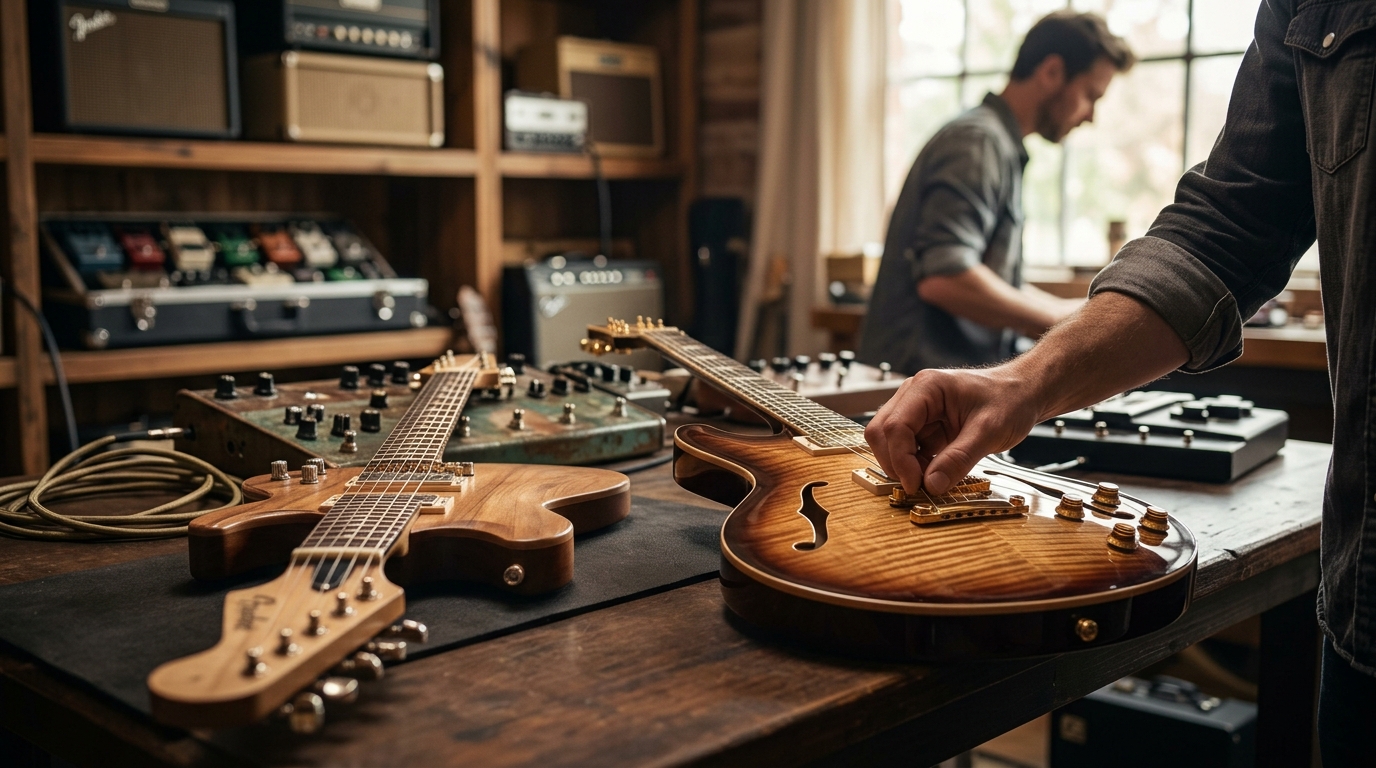
The landscape of electric guitar tone has shifted dramatically over the last four decades. What began as a pursuit of cleaner amplification has transformed into a complex ecosystem of boutique craftsmanship, digital modeling, and analog warmth. According to recent industry analysis, the global guitar effects market is projected to reach significant valuation milestones by 2027, driven largely by the demand for specialized, high-end gear. This guide explores how we arrived at this point and what it means for the modern player seeking authentic sound.
The Analog Revolution
For decades, the standard for guitar tone was defined by tube amplification. The interaction between the guitar pickups, the preamp tubes, and the power amp created a dynamic response that digital systems struggled to replicate. This era was characterized by the "crunch" of overdriven tubes and the clarity of clean channels.
However, the limitations of tube amps were also their greatest strength. They required maintenance, heavy lifting, and specific break-in periods. As players sought more consistency, the demand for alternative solutions grew. This shift laid the groundwork for the boutique market, where individual builders began to experiment with circuit designs that prioritized specific tonal characteristics over mass production.
The transition from standard manufacturing to boutique building was not just about quality; it was about identity. Players wanted gear that reflected their personal aesthetic and sonic preferences. This desire for uniqueness drove the creation of specialized components and custom builds.
The Rise of Boutique Brands
Boutique guitar brands emerged as a response to the homogenization of mass-produced instruments. These companies focused on small-batch production, using high-quality materials and hand-wired circuits. The result was gear that offered superior build quality and unique tonal flavors.
Brands like Suhr and Paul Reed Smith became synonymous with precision and consistency. They set a new standard for playability and tone, influencing the entire industry. Their success proved that there was a viable market for high-end, handcrafted instruments.
Similarly, the amplifier market saw a surge in boutique builders. Companies like 3rd Power and Mesa Boogie pushed the boundaries of gain structure and tonal clarity. These amplifiers became sought-after items, often commanding premium prices due to their limited availability and exceptional performance.
The boutique movement also extended to effects pedals. The demand for specific modulation, delay, and distortion effects led to the creation of specialized pedals that could not be found in big-box stores. This niche market thrived on community and word-of-mouth, with players sharing their discoveries online and at trade shows.
Digital Modeling vs. Analog Purity
The introduction of digital modeling technology changed the game again. Amp simulators and multi-effects processors offered players the ability to replicate the sound of any amplifier or pedalboard from a single unit. This convenience appealed to gigging musicians who needed versatility and consistency.
However, many purists argued that digital modeling lacked the "soul" of analog gear. The argument was that digital systems could not fully capture the non-linear behavior of tubes and transformers. This debate has fueled the continued growth of the boutique market, as players seek to combine the best of both worlds.
Modern boutique builders have responded by integrating digital controls into analog circuits. This hybrid approach allows for the precision of digital switching while maintaining the warmth and dynamics of analog components. It represents a compromise that satisfies both purists and pragmatists.
The evolution of digital modeling has also influenced how boutique gear is designed. Builders now consider how their amps and pedals will interact with digital interfaces, ensuring compatibility and optimal performance. This forward-thinking approach has kept the boutique market relevant in a rapidly changing technological landscape.
Pickup Innovation and Tone Shaping
Pickups are the heart of the electric guitar. They convert string vibrations into electrical signals, and their design has a profound impact on tone. Over the years, pickup manufacturers have experimented with various materials, winding techniques, and magnet types to create new sounds.
Boutique pickup makers like Bare Knuckle Pickups and Fishman Fluence have gained a reputation for their innovative designs. Bare Knuckle focuses on hand-wound, vintage-voiced pickups that offer high output and clarity. Fishman Fluence, on the other hand, offers multi-voice pickups that allow players to switch between different tonal profiles.
The choice of pickups can drastically alter the character of a guitar. A guitar with high-output pickups will produce a thicker, more aggressive tone, while a guitar with low-output pickups will offer more dynamic range and clarity. Understanding these differences is crucial for players looking to achieve their desired sound.
Furthermore, the placement of pickups and the type of wood used in the guitar body also play significant roles in tone shaping. Boutique builders pay close attention to these details, ensuring that every component contributes to the overall sonic experience.
Comparing Amp Architectures
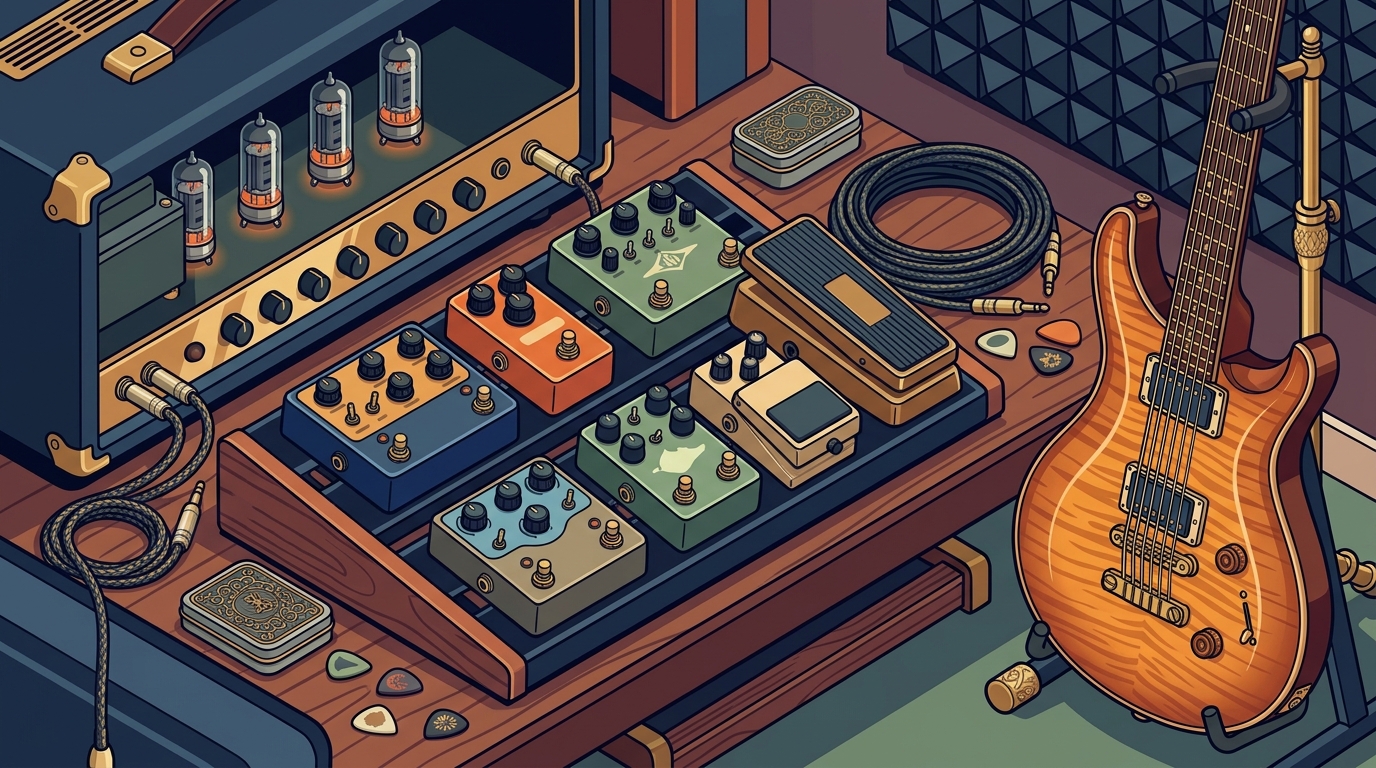
Amplifier architecture refers to the circuit design and component layout that determine an amp's tone and feel. Different architectures offer distinct advantages and disadvantages, making them suitable for different playing styles and genres.
| Architecture Type | Tonal Characteristic | Best For | Example Brands |
|---|---|---|---|
| Tube (Valve) | Warm, dynamic, organic overdrive | Rock, Blues, Jazz | Suhr, PRS |
| Solid State | Clean, consistent, reliable | Studio, Practice | 3rd Power |
| Hybrid | Tube warmth with digital control | Versatile Gigging | Mesa Boogie |
| Digital Modeling | Multi-voice, effects integration | Modern Production | Neural DSP, Line 6 |
Understanding these differences helps players make informed decisions when investing in new gear. It is not just about the brand name, but about how the architecture aligns with your musical needs.
Key Takeaways
- The boutique market has grown significantly, driven by the demand for unique, high-quality gear.
- Brands like Suhr and Paul Reed Smith have set new standards for instrument craftsmanship.
- Digital modeling offers versatility but lacks the organic feel of analog tube amplification.
- Pickup innovation continues to expand tonal possibilities for modern players.
- Hybrid amplifiers combine the best of analog and digital technologies.
- The choice of gear should align with your specific playing style and genre.
- The Guitar Sanctuary offers a curated selection of boutique gear for discerning musicians.
Frequently Asked Questions
What defines a boutique guitar brand?
A boutique guitar brand is characterized by small-batch production, handcrafted components, and a focus on unique tonal characteristics rather than mass-market appeal.
Are digital amp simulators as good as tube amps?
Digital simulators offer convenience and versatility, but many players prefer tube amps for their dynamic response and organic overdrive. The best choice depends on your specific needs.
How do boutique pickups differ from standard pickups?
Boutique pickups often use higher-quality materials and more precise winding techniques, resulting in greater clarity, output, and tonal complexity.
What is the difference between a hybrid and a digital amp?
Hybrid amps use tube preamps for tone and solid-state or digital power sections for volume and effects. Digital amps use entirely digital processing to simulate tube sounds.
Why is the Guitar Sanctuary a good resource for boutique gear?
The Guitar Sanctuary curates a selection of high-end instruments and amplifiers from top boutique brands, providing expert advice and a trusted purchasing experience.
Can I use boutique pedals with digital modeling systems?
Yes, many boutique pedals are designed to integrate seamlessly with digital systems, allowing you to blend analog warmth with digital versatility.
What is the most important factor when choosing a guitar?
The most important factor is how the guitar feels and sounds to you. Play as many instruments as possible to find the one that matches your style.
Visit The Guitar Sanctuary
The evolution of guitar tone is an ongoing journey. Whether you are a vintage purist or a modern tech enthusiast, there is a place for you in the world of boutique gear. Explore our collection of boutique guitars, amplifiers, and effects pedals to find the perfect tools for your musical expression.
Visit our store today to experience the difference that handcrafted quality makes. Our team of experts is ready to help you find the gear that inspires you.