
What Sets Manufacturer Custom Shops Apart from Regular Guitar Builders?
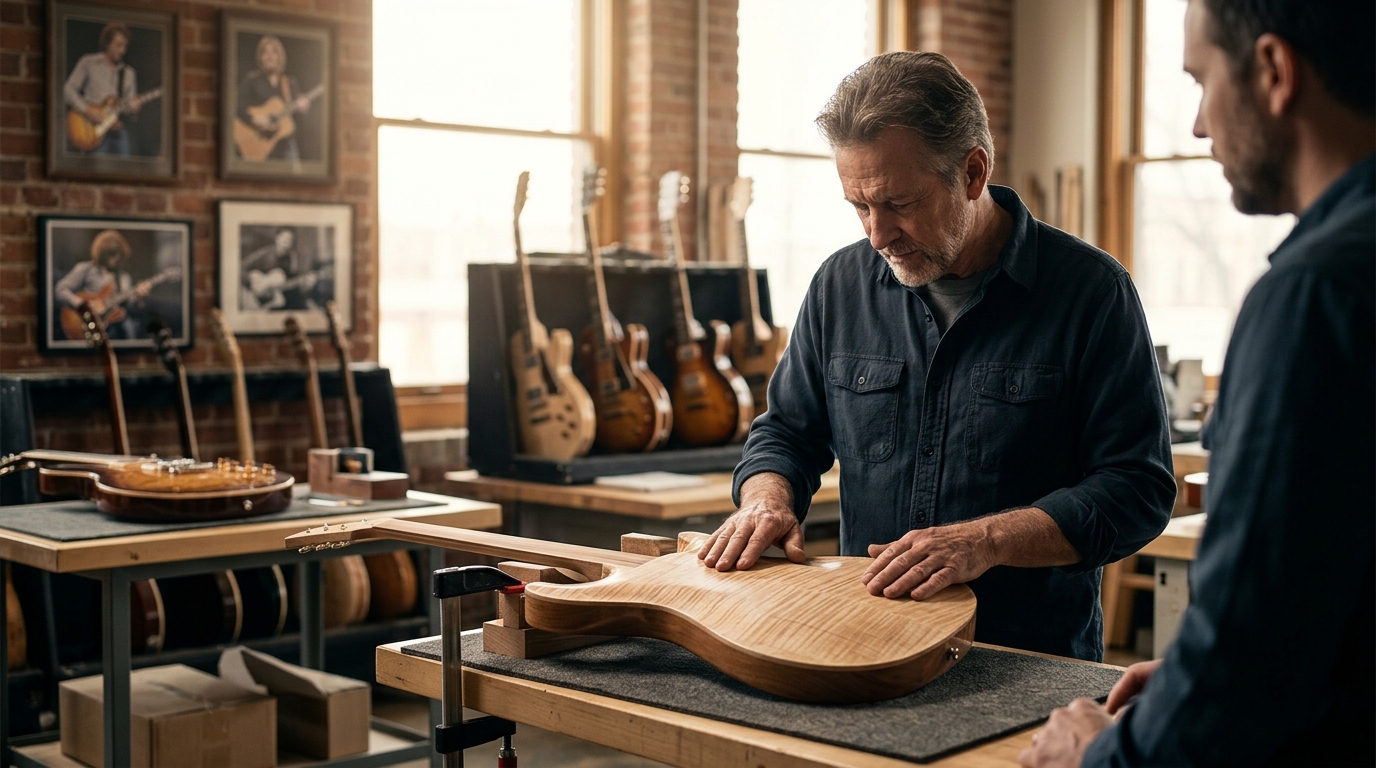
Manufacturer custom shops differ from regular builders by operating within established corporate frameworks, utilizing proprietary materials, and offering factory-backed warranties. While independent luthiers focus on individual craftsmanship, custom shops leverage institutional resources to produce high-volume bespoke instruments. This distinction matters for players seeking specific tonal characteristics, historical accuracy, or modern innovations that require significant R&D investment. At The Guitar Sanctuary, we curate these specialized instruments to help musicians find the perfect balance of heritage and innovation. according to Schecter Synyster Custom
The Scale of Production and Institutional Support
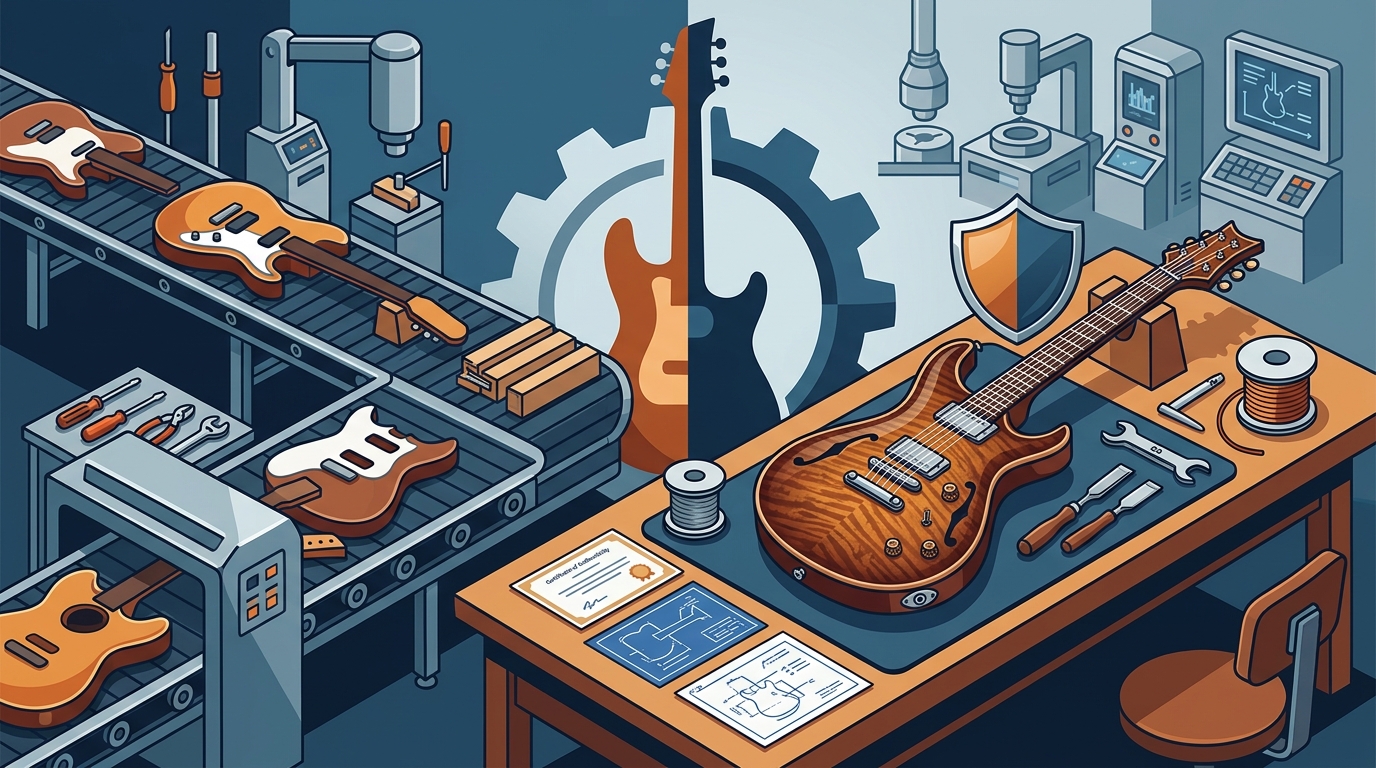
One of the primary differences between a manufacturer custom shop and a standard production line is the scale of resources available to the builders. Custom shops are typically housed within major manufacturing facilities, giving them access to advanced CNC machinery, climate-controlled wood storage, and dedicated quality control teams. This institutional backing allows for a level of consistency and precision that is difficult to replicate in a small, independent workshop. For example, the Fender Custom Shop operates within the broader Fender manufacturing ecosystem, ensuring that even bespoke instruments meet rigorous corporate standards for durability and playability.
The implication for the buyer is that custom shop instruments often come with a more robust warranty and easier access to replacement parts. If a specific pickup or bridge component needs to be replaced years later, a manufacturer-backed instrument usually has a clearer supply chain. This reduces the long-term risk for collectors and working musicians who rely on their gear for professional performance.
Access to Proprietary Materials and Wood Libraries
Historical Accuracy and Vintage Replication
Manufacturer custom shops are uniquely positioned to replicate vintage instruments with a high degree of historical accuracy. They have access to original blueprints, archival photographs, and even surviving vintage instruments that serve as reference points. This allows them to recreate the exact dimensions, weight, and feel of a 1950s or 1960s instrument. The Fender Custom Shop '62 Strat is a prime example, featuring a Journeyman Relic finish that mimics the natural wear and tear of a decades-old instrument. according to Schecter Synyster Custom
Independent builders can certainly create vintage-style guitars, but they often rely on their own interpretation of what a vintage instrument should look and feel like. Manufacturer custom shops, however, can verify their work against original factory records. This level of fidelity is essential for collectors who value historical authenticity as much as tonal quality. It ensures that the instrument is not just a replica, but a faithful continuation of a specific era of guitar making.
Modern Innovation and R&D Integration
While vintage replication is a major focus, manufacturer custom shops also serve as the testing ground for modern innovations. They often integrate new pickup designs, ergonomic improvements, and advanced electronics that are not yet available on standard production models. This R&D integration allows players to access cutting-edge technology in a bespoke package. For example, the Collings and Lowden brands, while often associated with traditional craftsmanship, frequently collaborate with manufacturers to incorporate modern bracing patterns and pickup systems.
The benefit of this approach is that players can experiment with new technologies without the risk of buying a mass-produced instrument that may not suit their playing style. Custom shops allow for a high degree of personalization, enabling musicians to tailor their instrument to their specific needs. This is particularly valuable for session players and touring musicians who require versatility and reliability in equal measure.
The Role of Curation in the Buying Process
For many musicians, the challenge of buying a custom shop instrument is not just in the manufacturing process, but in the curation of available options. The sheer number of configurations can be overwhelming, making it difficult to identify the right instrument for one's playing style. This is where specialized dealers like The Guitar Sanctuary play a crucial role. We curate a selection of the finest custom shop instruments, ensuring that each one meets our high standards for tone, playability, and craftsmanship.
By working with a knowledgeable dealer, buyers can benefit from expert advice on which custom shop models best suit their needs. Whether you are looking for a Taylor with a specific tonewood combination or a boutique bass with a unique pickup configuration, our team can guide you through the options. This curation process saves time and ensures that you invest in an instrument that truly resonates with your musical vision.
Key Takeaways
- Manufacturer custom shops leverage institutional resources for consistent quality and robust warranties.
- Access to proprietary wood libraries allows for unique tonal characteristics and rare finishes.
- Historical accuracy is a key strength, with custom shops replicating vintage instruments with high fidelity.
- Custom shops serve as testing grounds for modern innovations and R&D.
- Specialized dealers provide essential curation, helping buyers navigate the wide range of custom options.
Frequently Asked Questions
Are custom shop guitars more expensive than standard models?
Yes, custom shop guitars are typically more expensive due to the use of premium materials, hand-finishing, and limited production runs. The higher price reflects the level of craftsmanship and attention to detail involved in each instrument.
Can I customize a custom shop guitar to my exact specifications?
Do custom shop guitars come with a warranty?
How do I know if a custom shop guitar is right for me?
Consider your playing style, tonal preferences, and budget. Working with a knowledgeable dealer can help you identify the right custom shop model for your needs. Try playing different models to see which one feels and sounds best to you.
Are custom shop guitars good for resale?
Custom shop guitars often hold their value well, especially if they are from a reputable manufacturer and are in good condition. Limited edition models and those with rare tonewoods can even appreciate in value over time.