
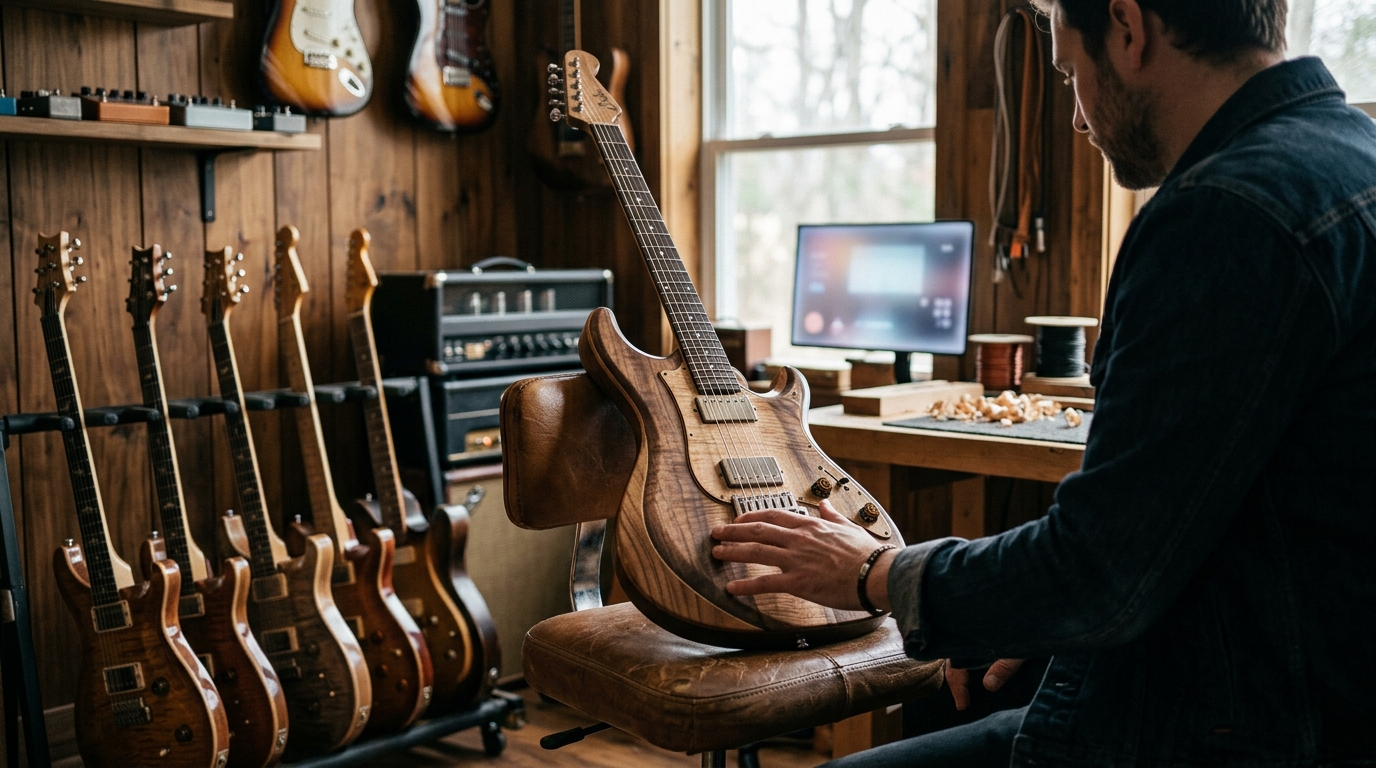
The global market for premium musical instruments has shifted dramatically toward personalized craftsmanship. According to recent industry analysis, the custom guitar segment has seen a steady growth in high-end sales over the last decade. This trend reflects a musician's desire for unique tonal characteristics and ergonomic fits that mass-produced instruments cannot provide. Finding the right source requires understanding the landscape of boutique builders and specialized retailers.
Understanding Custom Builds vs. Custom Shop
Before committing to a purchase, it is vital to distinguish between a "Custom Shop" model and a fully "Custom Build." A Custom Shop instrument is a limited-run production model made by a major manufacturer. These guitars follow specific design templates but use premium materials. In contrast, a Custom Build is created from scratch based on your exact specifications. Custom builds offer unparalleled personalization regarding neck profile, wood selection, and electronics.
Custom Shop guitars are often produced in smaller batches by established brands. For example, the Fender Custom Shop produces instruments that mimic vintage specifications with modern reliability. These are ideal for players who want a specific historical tone without waiting months for a bespoke creation. However, they lack the individualized fit of a true custom order.
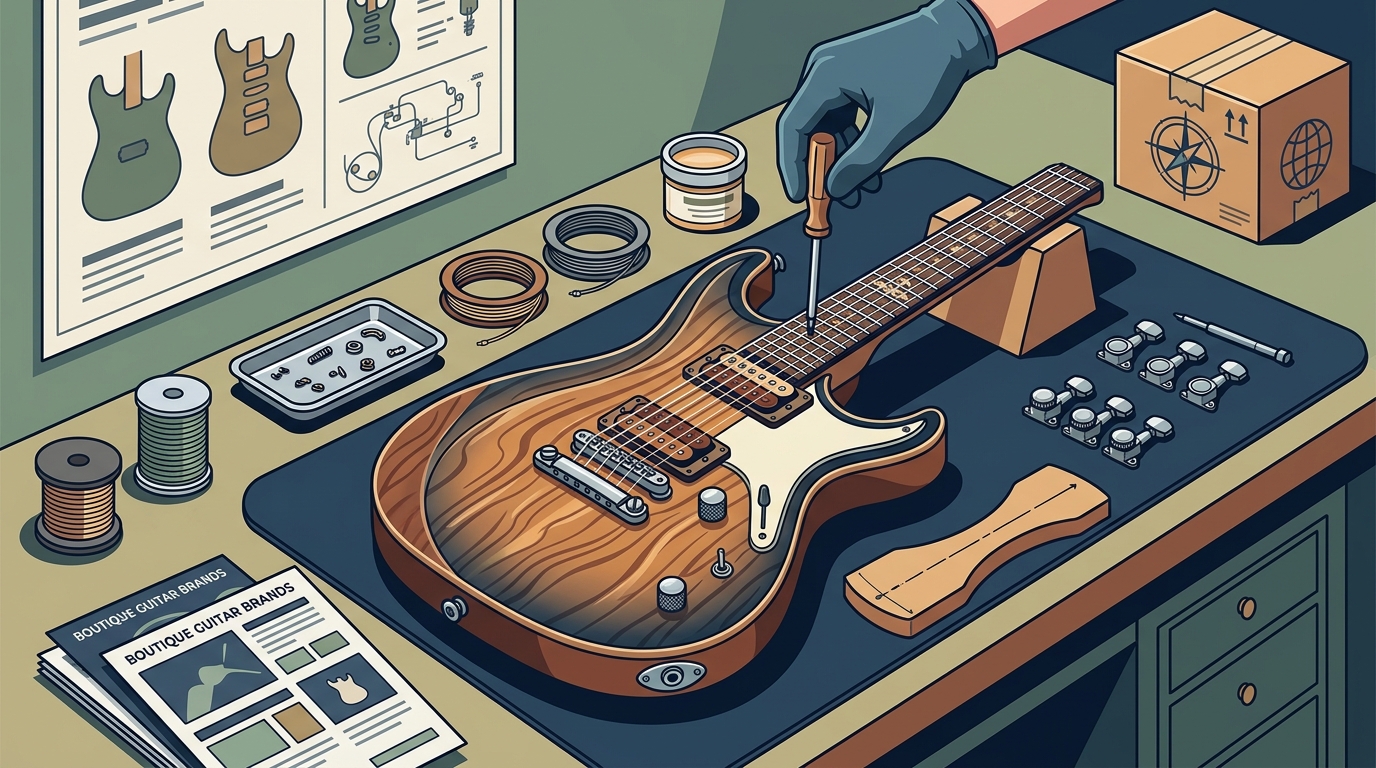
A true custom build involves direct collaboration with a luthier or a boutique workshop. This process allows for adjustments in scale length, fretboard radius, and weight relief. The result is an instrument that feels like an extension of your body. This level of detail is why many professionals seek out specialized retailers like The Guitar Sanctuary for their high-end needs.
Top Boutique Brands for Custom Orders
The landscape of custom electric guitars is dominated by several renowned boutique builders. These companies have established reputations for quality, innovation, and tonal excellence. Choosing the right brand depends on your preferred aesthetic and sonic profile.
Paul Reed Smith (PRS)
Paul Reed Smith guitars are synonymous with precision and versatility. The brand offers a wide range of custom options through its Private Stock program. Players can select from exotic woods, intricate inlays, and custom winding pickups. The build quality is consistently high, making it a top choice for touring musicians.
Suhr Guitars
Suhr Guitars are known for their modern ergonomics and clarity. The brand focuses on tight low-end response and articulate highs. Suhr instruments are frequently found in the hands of session players who require reliability and speed. Their Modern and Classic series provide a foundation for custom modifications.
Collings Guitars
While primarily known for acoustics, Collings also produces exceptional electric guitars. The brand emphasizes traditional craftsmanship and timeless design. Each instrument is built with meticulous attention to detail. The Collings electric lineup appeals to purists who value vintage tone with modern playability.
Mayones Guitars
For players seeking extreme versatility and modern aesthetics, Mayones is a leading choice. The Polish manufacturer specializes in multi-scale designs and exotic materials. Their custom guitar options cater to progressive metal and jazz fusion musicians. The build quality rivals that of American boutique makers.
Selection Criteria for Your Builder
When deciding where to buy, consider the builder's philosophy and material sourcing. The wood used significantly impacts the instrument's tone and sustain. Wood selection is the most critical factor in tonal character. Luthiers often source tonewoods from specific regions to ensure consistency.
Wood Types and Tonal Impact
Alder is a popular choice for its balanced frequency response. Ash provides a brighter, more resonant sound. Mahogany offers warmth and depth, ideal for rock and blues. The choice of tonewood affects the final sound more than any other component. Discuss your preferred tonal palette with your builder.
Hardware and Electronics
The hardware must support your playing style. High-quality tuners ensure stability. A well-cut nut made from bone or graphite improves tuning accuracy. Electronics should match your genre. StewMac provides detailed guides on hardware selection for custom builds. Consider the weight and balance of the guitar during play.
Neck Profile and Playability
The neck profile determines how the guitar feels in your hand. A thin neck suits fast shredding. A thicker neck offers comfort for chord playing. Custom builders can replicate profiles from vintage instruments or create new designs. This personalization is a key benefit of buying custom.
Pricing Models and Lead Times
Custom guitars represent a significant investment. Prices vary based on materials, labor, and brand reputation. Understanding the cost structure helps in budgeting for your instrument.
| Builder Tier | Price Range (USD) | Lead Time | Best For |
|---|---|---|---|
| Entry Boutique | $2,500 - $4,000 | 3-6 Months | Enthusiasts seeking quality |
| Mid-Tier Custom | $4,000 - $8,000 | 6-12 Months | Professional gigging musicians |
| High-End Private Stock | $8,000 - $20,000+ | 12-24 Months | Collectors and touring pros |
Entry-level boutique builders offer good value for players entering the custom market. Mid-tier builders provide the balance of quality and availability. High-end private stock programs are for those seeking the pinnacle of craftsmanship. MusicRadar highlights the top custom options for various budgets.
The Buying Process at a Specialist
Purchasing a custom guitar involves several steps. It is not a simple transaction. It is a collaborative process between you and the builder. Working with a specialist retailer can streamline this experience.
Consultation and Design
The process begins with a consultation. You discuss your musical style, preferred woods, and electronics. The builder may provide sketches or 3D models. This stage ensures that the final instrument meets your expectations. Professional setup services are often included in the final delivery.
Production and Updates
Once the order is placed, production begins. Many builders provide photo updates during the build. This transparency allows you to track progress. You can request adjustments to the finish or hardware. Communication is key to a successful build.
Final Inspection and Delivery
Before shipping, the guitar undergoes a final inspection. The builder ensures that all components are functioning correctly. A professional setup is performed to optimize playability. Contacting the retailer directly can help arrange a pickup or detailed shipping instructions.
Key Takeaways
- Custom builds offer unique tonal and ergonomic benefits over mass-produced instruments.
- Boutique brands like Suhr, PRS, and Collings lead the market in quality and innovation.
- Wood selection is the primary driver of an electric guitar's tonal character.
- Lead times for custom guitars typically range from 3 to 24 months depending on the builder.
- Prices for custom instruments start around $2,500 and can exceed $20,000 for private stock.
- Working with a specialist retailer ensures proper setup and support throughout the process.
- Collings and Mayones are notable for their distinct approaches to custom electric design.
Frequently Asked Questions
How long does it take to get a custom electric guitar?
Lead times vary significantly. Entry-level custom builds may take 3 to 6 months. High-end private stock programs can require 12 to 24 months of wait time due to the meticulous craftsmanship involved.
What is the difference between a Custom Shop and a Custom Build?
A Custom Shop instrument is a limited-run model based on a standard design. A Custom Build is created from scratch to your exact specifications. The latter offers greater personalization but requires a longer wait.
Can I choose the wood for my custom guitar?
Yes, most boutique builders allow you to select the tonewoods. You can choose from options like alder, ash, mahogany, and exotic woods. The choice affects the tone, weight, and appearance of the instrument.
Are custom electric guitars worth the investment?
For serious musicians, custom guitars offer superior playability and tone. They are tailored to your specific needs. The investment pays off in performance and longevity. Guitar World discusses the value of custom instruments for professionals.
Where can I buy custom electric guitars in the US?
You can purchase from direct boutique builders or specialized retailers. The Guitar Sanctuary is a premier destination for high-end and custom gear. Online platforms also connect buyers with luthiers worldwide.
Do custom guitars require special maintenance?
Custom guitars require regular maintenance like any instrument. This includes string changes, setup adjustments, and humidity control. StewMac offers comprehensive maintenance guides for custom builds.
Can I modify an existing guitar to be custom?
While modifications are possible, a true custom build starts from the body up. Modifying an existing guitar may not achieve the same level of integration. However, professional repair services can enhance many stock instruments.
Start Your Custom Journey
Finding the right custom electric guitar is a rewarding process. It requires patience and clear communication. By choosing a reputable boutique builder or specialist retailer, you ensure a high-quality instrument. Visit The Guitar Sanctuary to explore their collection of boutique and custom gear. Their experts can guide you toward the perfect instrument for your musical needs.