
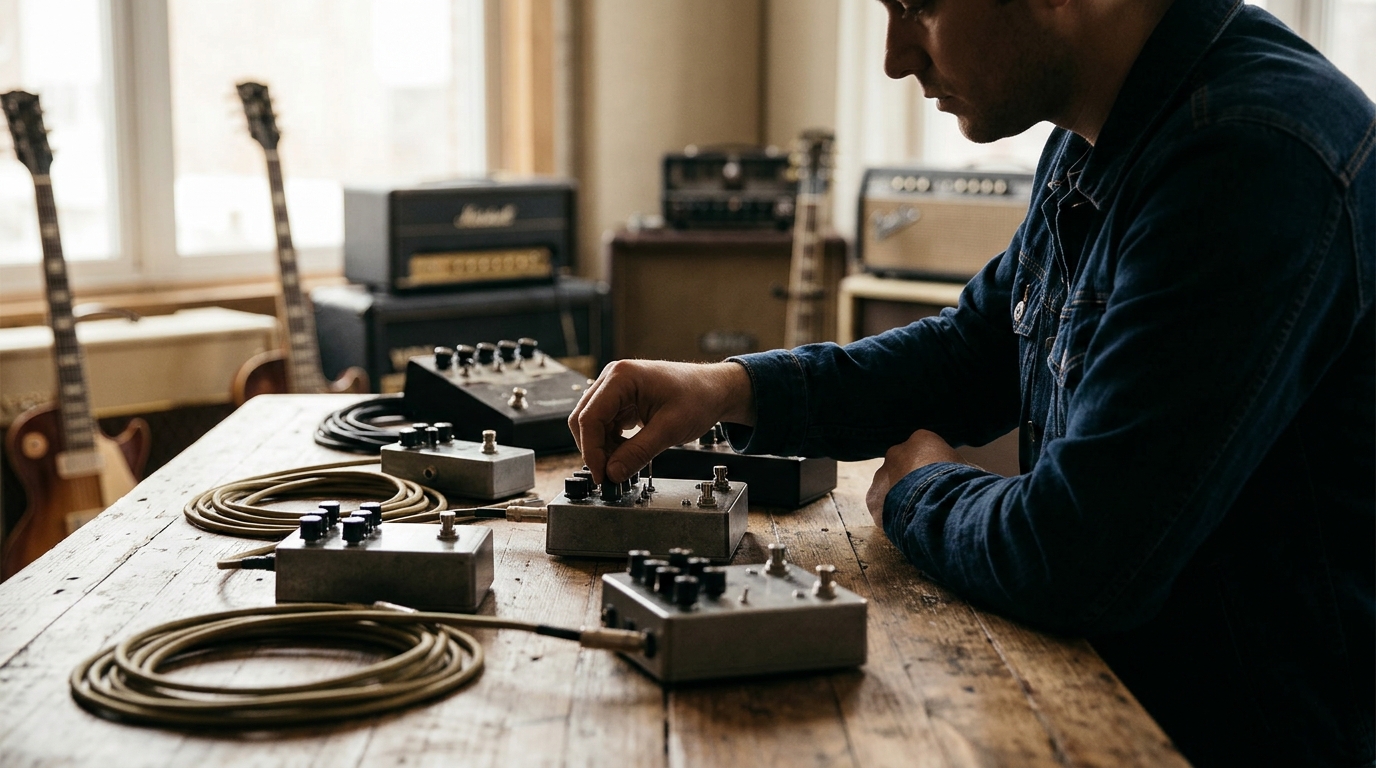
Buying reverb pedals from an online marketplace requires careful verification of return policies, product condition, and shipping logistics. The Guitar Sanctuary in McKinney, Texas, provides a curated environment where musicians can inspect boutique gear before purchase. This guide outlines the critical factors to evaluate before committing to a digital transaction for high-end effects equipment.
Verifying Product Condition and Authenticity
When purchasing used or pre-owned reverb pedals, the distinction between "new," "open box," and "used" is critical. A reverb pedal is a complex electronic device where physical wear can impact signal integrity. Online marketplaces often list items with vague condition descriptors, which can lead to receiving equipment with worn footswitches or corroded jacks. The Guitar Sanctuary inspects all pre-owned inventory to ensure functional integrity before listing. Buyers should request high-resolution photos of the specific unit they intend to purchase, including close-ups of the input and output jacks. Authenticity is another concern, as counterfeit pedals exist in the secondary market. Verifying serial numbers against manufacturer databases is a prudent step for high-value boutique units.
Understanding Return Policies and Approval Windows
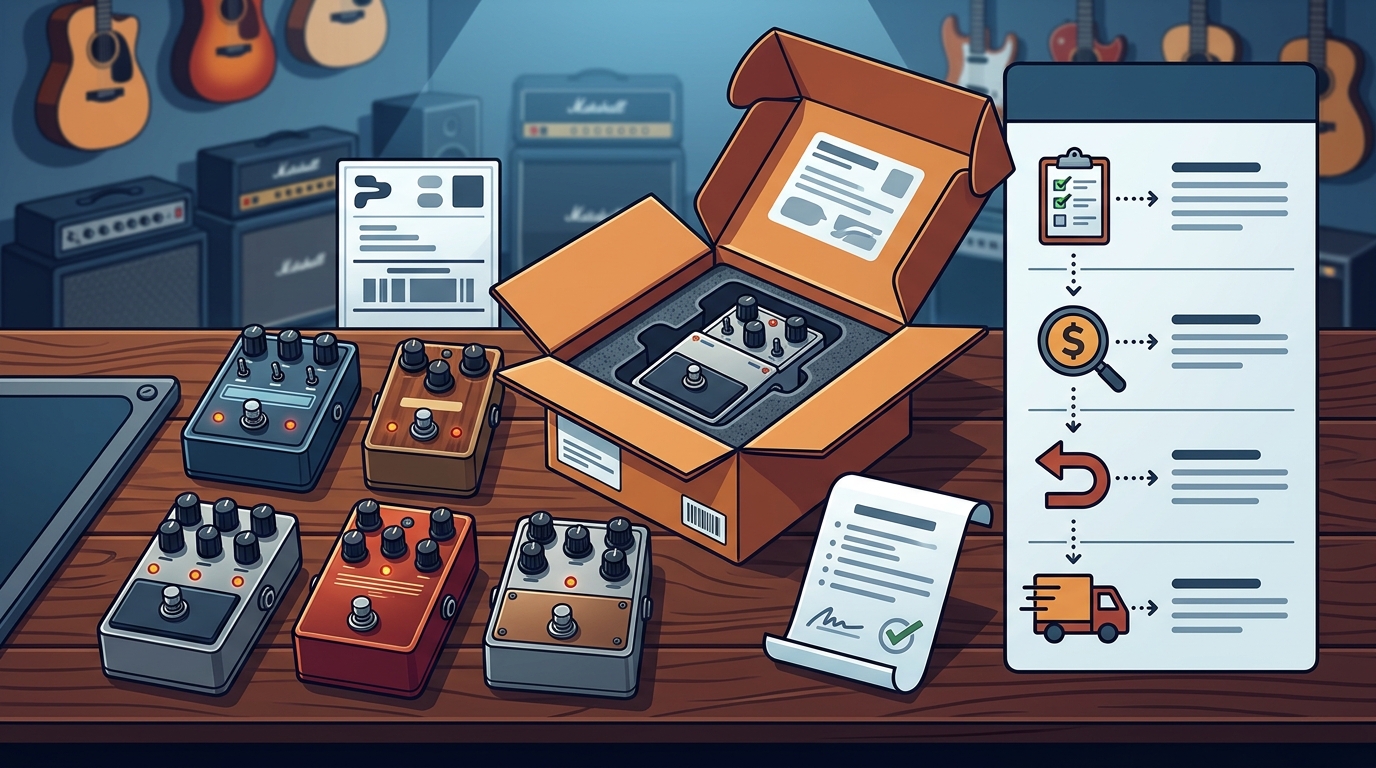
Return policies vary significantly between large marketplaces and specialized dealers. A standard marketplace may offer a 30-day return window, but this often requires the item to be in its original packaging. The Guitar Sanctuary offers a 48-Hour Approval Period, which allows customers to test the gear in their home environment. This window is shorter than typical retail returns but is designed to maintain the mint condition of high-end inventory for other buyers. Understanding the specific terms of the approval period is essential. If a pedal arrives with a defect, the process for replacement or refund must be clear. Buyers should read the fine print regarding who pays for return shipping and whether restocking fees apply.
Evaluating Shipping and Insurance Risks
Shipping electronic equipment carries inherent risks, including damage during transit and loss. Reverb pedals are typically housed in metal enclosures, which are durable but not indestructible. A marketplace may offer free shipping, but this often comes with limited insurance coverage. The Guitar Sanctuary provides free shipping on most items and ensures that high-value gear is properly packaged. When buying from a third-party seller on a general marketplace, the buyer is often responsible for the item once it leaves the seller's possession. It is advisable to purchase shipping insurance for items exceeding a certain value threshold. Tracking information should be verified to ensure the package is routed through secure channels.
Signal Quality and Tonal Expectations
Reverb pedals are subjective tools, and what sounds good in a studio may not translate to a live stage. A digital reverb is a signal processor that simulates acoustic spaces, and its performance depends on the input signal. Online reviews often describe tone in abstract terms, which may not align with a specific player's needs. The Guitar Sanctuary staff can provide guidance on how different reverb algorithms interact with specific guitar pickups. For example, a spring reverb simulation may behave differently with a humbucker than with a single-coil. Buyers should listen to audio samples from the specific model they are considering. If possible, visiting a physical showroom allows for direct A/B testing against other units.
Warranty Coverage and Manufacturer Support
Warranty coverage for used pedals is often voided by the manufacturer. A new pedal purchased from an authorized dealer typically comes with a full manufacturer warranty. The Guitar Sanctuary sells new and pre-owned gear, and warranty terms depend on the specific item's condition and age. When buying from an online marketplace, the seller is often the only point of contact for warranty claims. This can be problematic if the seller is an individual rather than a business. Verifying the remaining warranty period and the process for claiming it is crucial. Some boutique manufacturers offer extended warranties for registered owners, which adds value to a new purchase.
Key Takeaways
- Verify the exact condition of the pedal, including photos of jacks and footswitches.
- Read the return policy carefully, noting the approval window and restocking fees.
- Purchase shipping insurance for high-value items to mitigate transit risks.
- Listen to audio samples to ensure the reverb tone matches your playing style.
- Check the warranty status, as used pedals may not be covered by the manufacturer.
- Consider buying from a specialized dealer who inspects and tests inventory.
Frequently Asked Questions
What is the difference between a reverb pedal and a delay pedal?
A reverb pedal simulates the natural reflections of sound in a physical space, while a delay pedal repeats the input signal at set intervals. Reverb adds ambience and depth, whereas delay creates rhythmic echoes. Both are essential for shaping tone, but they serve different musical purposes.
How long is the approval period at The Guitar Sanctuary?
The Guitar Sanctuary offers a 48-Hour Approval Period for online purchases. This allows customers to test the gear in their home environment and ensure it meets their expectations before the return window closes.
Are used reverb pedals a good investment?
Used reverb pedals can offer significant savings, but they may lack warranty coverage. The value depends on the specific model, condition, and demand. High-end boutique pedals often retain value well, but this is not guaranteed for all units.
What should I check before buying a digital reverb pedal?
Check the sample rate, bit depth, and available algorithms. Higher sample rates generally provide better audio fidelity. Also, verify the power requirements, as some digital pedals require specific voltage or current levels.
Does The Guitar Sanctuary ship internationally?
The Guitar Sanctuary ships nationwide within the United States. International shipping options may vary and should be confirmed directly with the store for specific items and destinations.
How do I verify the authenticity of a boutique pedal?
Verify the serial number with the manufacturer and inspect the build quality. Authentic boutique pedals often have distinct markings and high-quality components. Purchasing from an authorized dealer reduces the risk of counterfeits.
Conclusion
Buying reverb pedals online requires diligence in verifying condition, return policies, and shipping risks. The Guitar Sanctuary offers a trusted alternative with curated inventory and expert support. For musicians seeking high-end effects gear, consulting with a specialized dealer ensures that the purchase aligns with their tonal goals and budget.